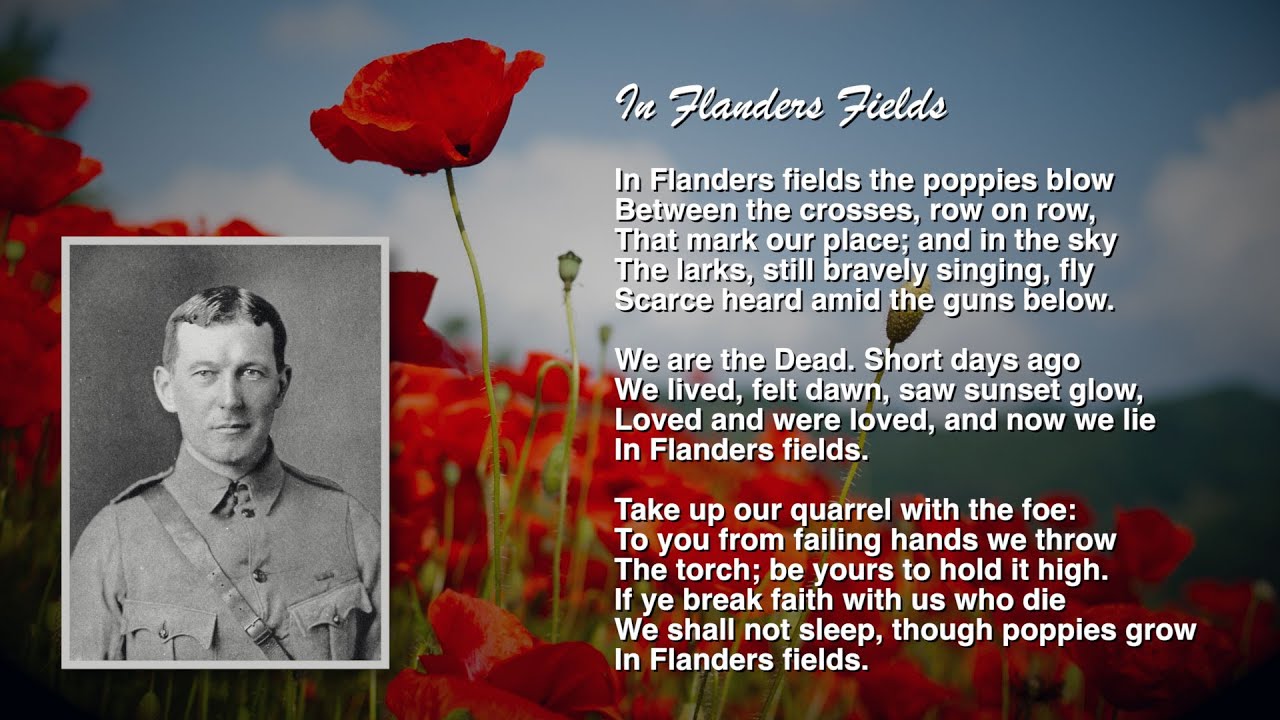
Here is the story of the making of that poem:
Although he had been a doctor for years and had served in the South
African War, it was impossible to get used to the suffering, the
screams, and the blood here, and Major John McCrae had seen and heard
enough in his dressing station to last him a lifetime.
As a surgeon attached to the 1st Field Artillery Brigade, Major McCrae, a Canadian who had joined the McGill faculty in 1900 after graduating from the University of Toronto, had spent seventeen days treating injured men — Canadians, British, Indians, French, and Germans.
It had been an ordeal that he had hardly thought possible. McCrae later wrote of it:
“I wish I could embody on paper some of the varied sensations of that seventeen days… Seventeen days of Hades! At the end of the first day if anyone had told us we had to spend seventeen days there, we would have folded our hands and said it could not have been done.”
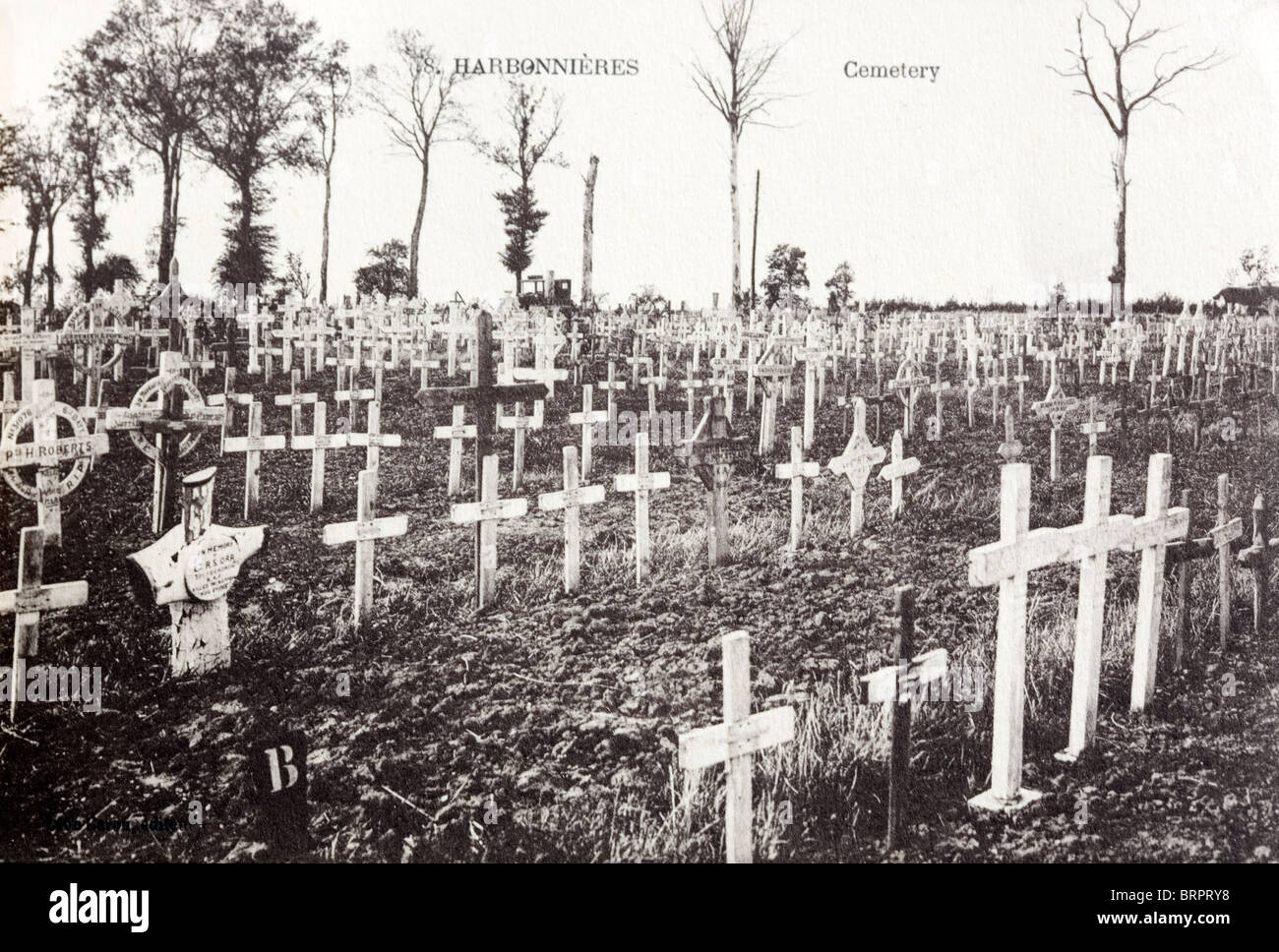
One death particularly affected McCrae. A young friend and former student, Lieut. Alexis Helmer of Ottawa, had been killed by a shell burst on 2 May 1915. Lieutenant Helmer was buried later that night in darkness, in the little cemetery outside McCrae’s dressing station, and McCrae had performed the funeral ceremony in the absence of the chaplain. The next day, sitting on the back of an ambulance parked near the dressing station beside the Canal de l’Yser, just a few hundred yards north of Ypres, McCrae vented his anguish by composing a poem. The major was no stranger to writing, having authored several medical texts besides dabbling in poetry.
In the nearby cemetery, McCrae could see the wild poppies that sprang up in the ditches in that part of Europe, and he spent twenty minutes of precious rest time scribbling fifteen lines of verse in a notebook.
A young soldier watched him write it. Cyril Allinson, a twenty-two year old sergeant-major, was delivering mail that day when he spotted McCrae. The major looked up as Allinson approached, then went on writing while the sergeant-major stood there quietly. “His face was very tired but calm as we wrote,” Allinson recalled. “He looked around from time to time, his eyes straying to Helmer’s grave.”
When McCrae finished five minutes later, he took his mail from Allinson and, without saying a word, handed his pad to the young NCO. Allinson was moved by what he read:
“The poem was an exact description of the scene in front of us both. He used the word blow in that line because the poppies actually were being blown that morning by a gentle east wind. It never occurred to me at that time that it would ever be published. It just seemed to me to be an exact description of the scene.”

Oh Susan, thanks for this. This has always been one of my very favorite poems. It is so terribly poignant and heartbreaking. But I never knew the back story. Thanks so much for sharing it.
ReplyDeletePretty amazing that a man in the war wrote such a personal poem. He was a doctor who saw the horror of war on the bodies.
DeleteOne doesn't often get to hear of the making of a poem by someone who witnessed it.
ReplyDeletePretty amazing. I taught this poem to 4th graders and then showed an excellent Peanuts movie about Snoopy driving to driving through the fields. worth watching.
DeleteIt is a beautiful sentiment. My grandfather's brother died in that war.
ReplyDeleteIt is hard to count the #s of deaths. 9 - 11 million soldiers died, but the numbers increased when Spanish Flu swept through the populations.
DeleteOut of such a terrible time came one of the most beautiful poems of the 20th century (in my humble opinion). Not a word wasted. Adding to the tragedy is the fact that McCrae didn't survive the war, either. Alana ramblinwitham.blogspot.com
ReplyDeleteHe died from pneumonia toward the end of the war. As a doctor he saw the war with a clear eye.
DeleteThis is such a touching poem. I had no idea of its origin, but I do recall reading it at the National WWI museum in Kansas City. To enter the museum visitors walk across a glass bridge with poppies underneath, representing the number of lives lost.
ReplyDeleteThat must have been touching. Oh my....
DeleteAnd for such a stupid cause. I read WWI a lot, and the stupidity per square inch is mind- boggling.
ReplyDeleteThe Government had no idea just how dedicated the Germans were to take this land. They were prepared, technologically. The saying "We'll be home by Christmas!" was said as soldiers left to go off to an easy win.
DeleteThis is the perfect reflection for Memorial Day, Susan. Thank you for sharing the history of this poem that has and will stand the rest of time. Blessings!
ReplyDeleteGlad that you enjoyed knowing more about this precious poem.
DeleteAll war is a crime and a shame. Thank you for the back story.
ReplyDeleteMy grandfather was in WW1, saw some major battles. He never recovered from its effect.
DeleteRemembering the lives of all those we lost is important. I do wish there would be no more.
ReplyDeleteAmen to that. Wars happen because people are evil and believe that defeating others, taking away their homes is the way to live.
DeleteIt is so important to remember all those who gave their lives.
ReplyDeleteThis is such a wonderful poem.
All the best Jan